We revive the Italian story of Bugatti
Visiting the place where the rebirth of Bugatti took place has always been on our to-do list. You can then imagine than after acquiring a Bugatti EB112, it was a no-brainer…
By Schaltkulisse · 3 min
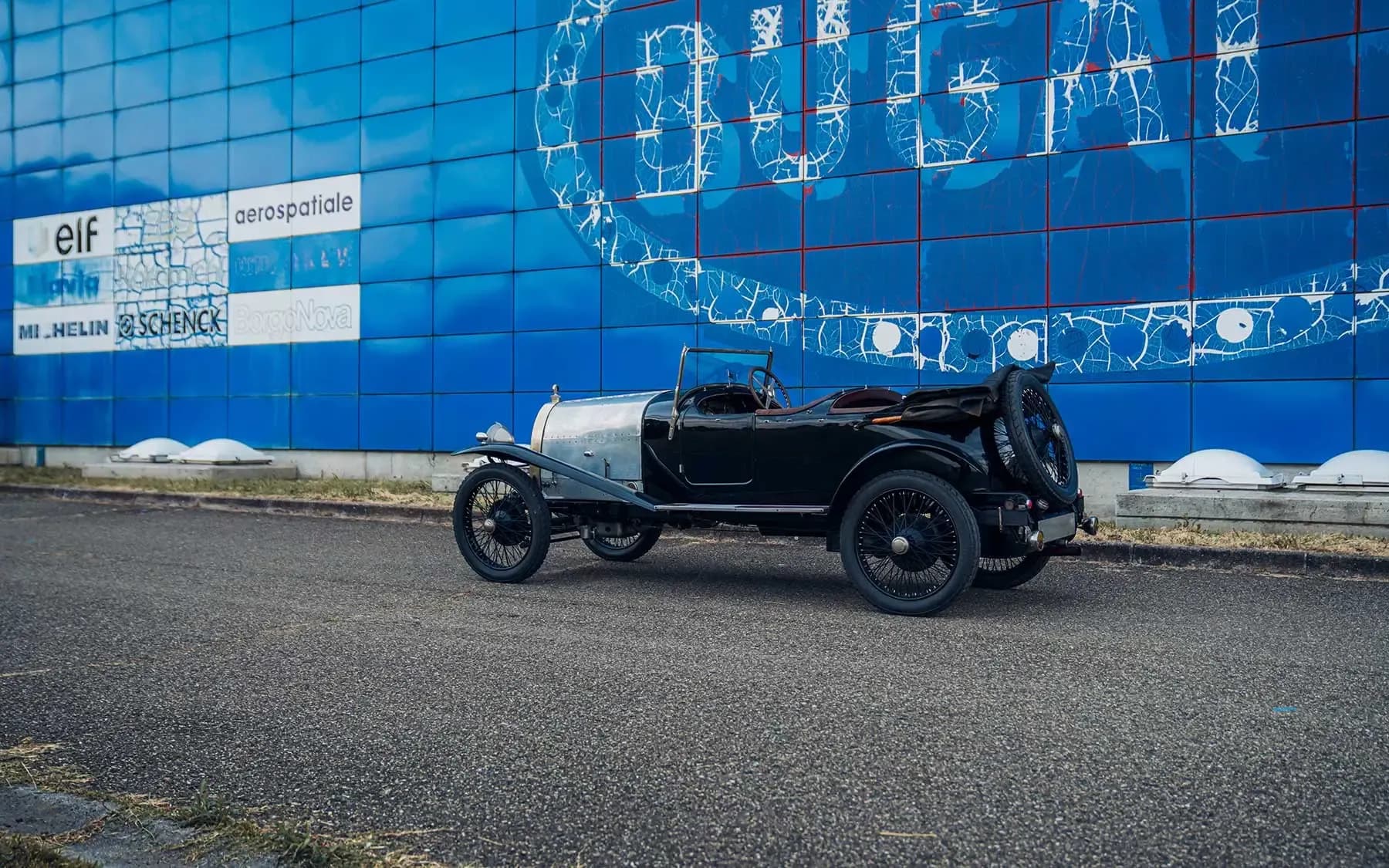
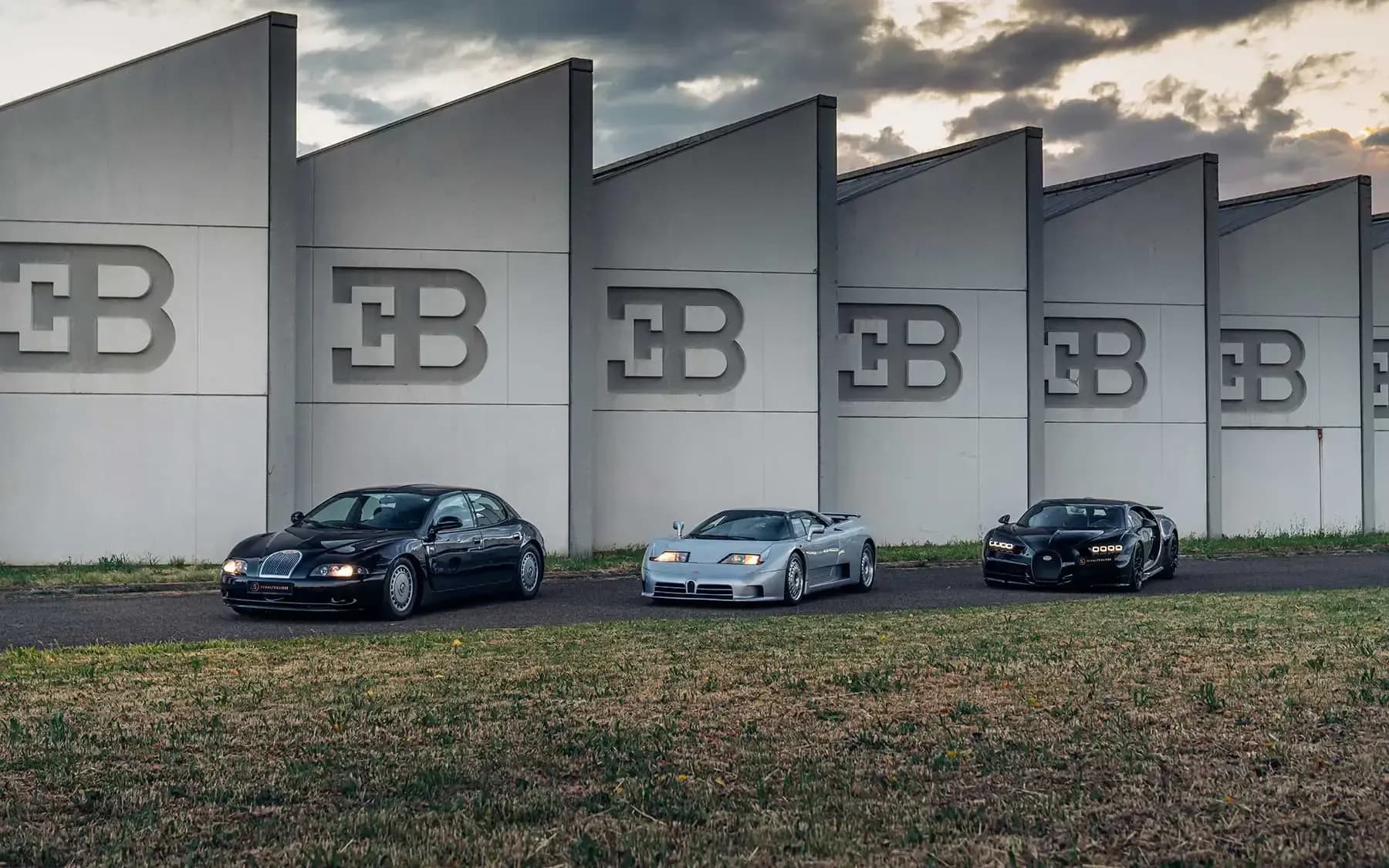
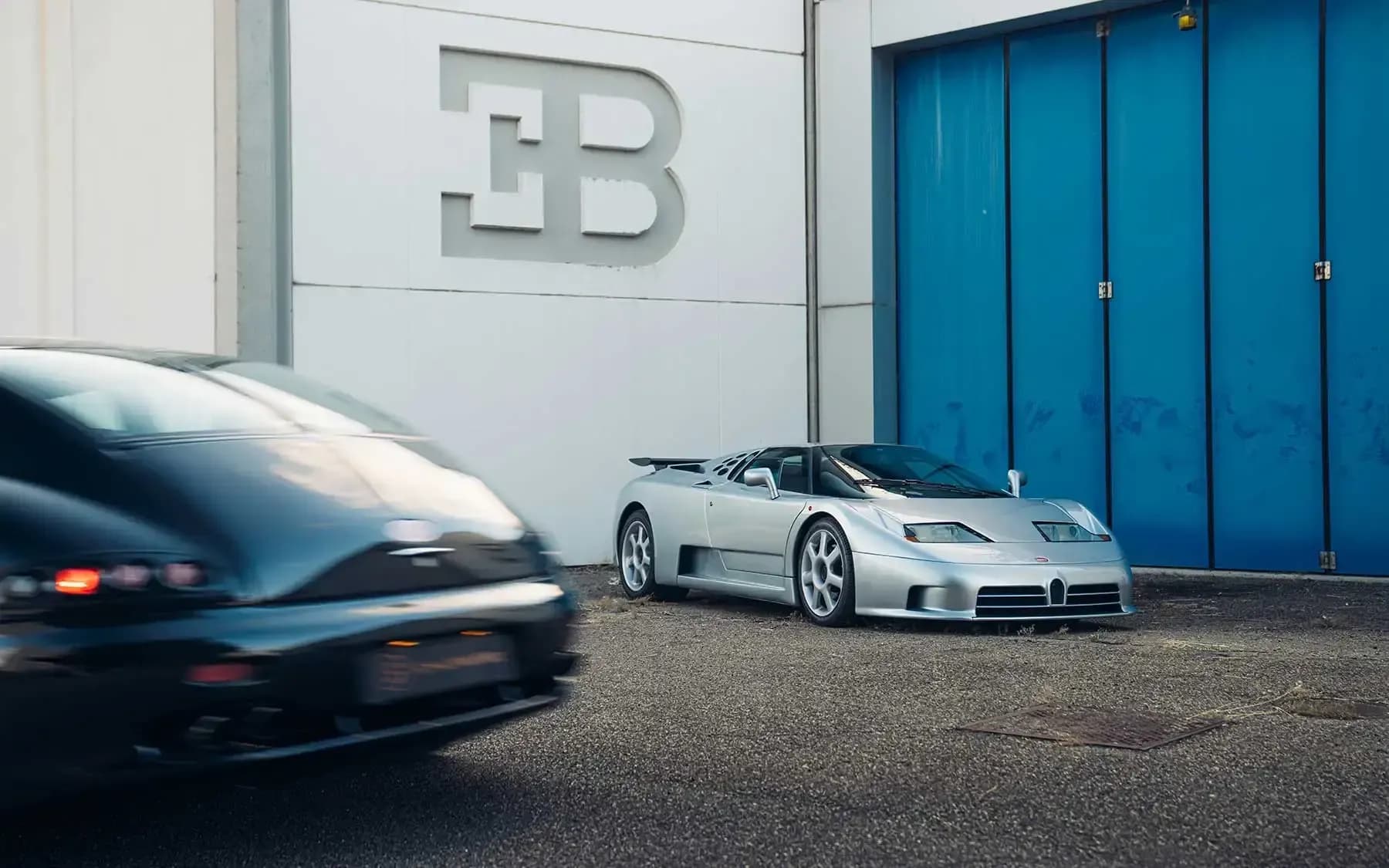
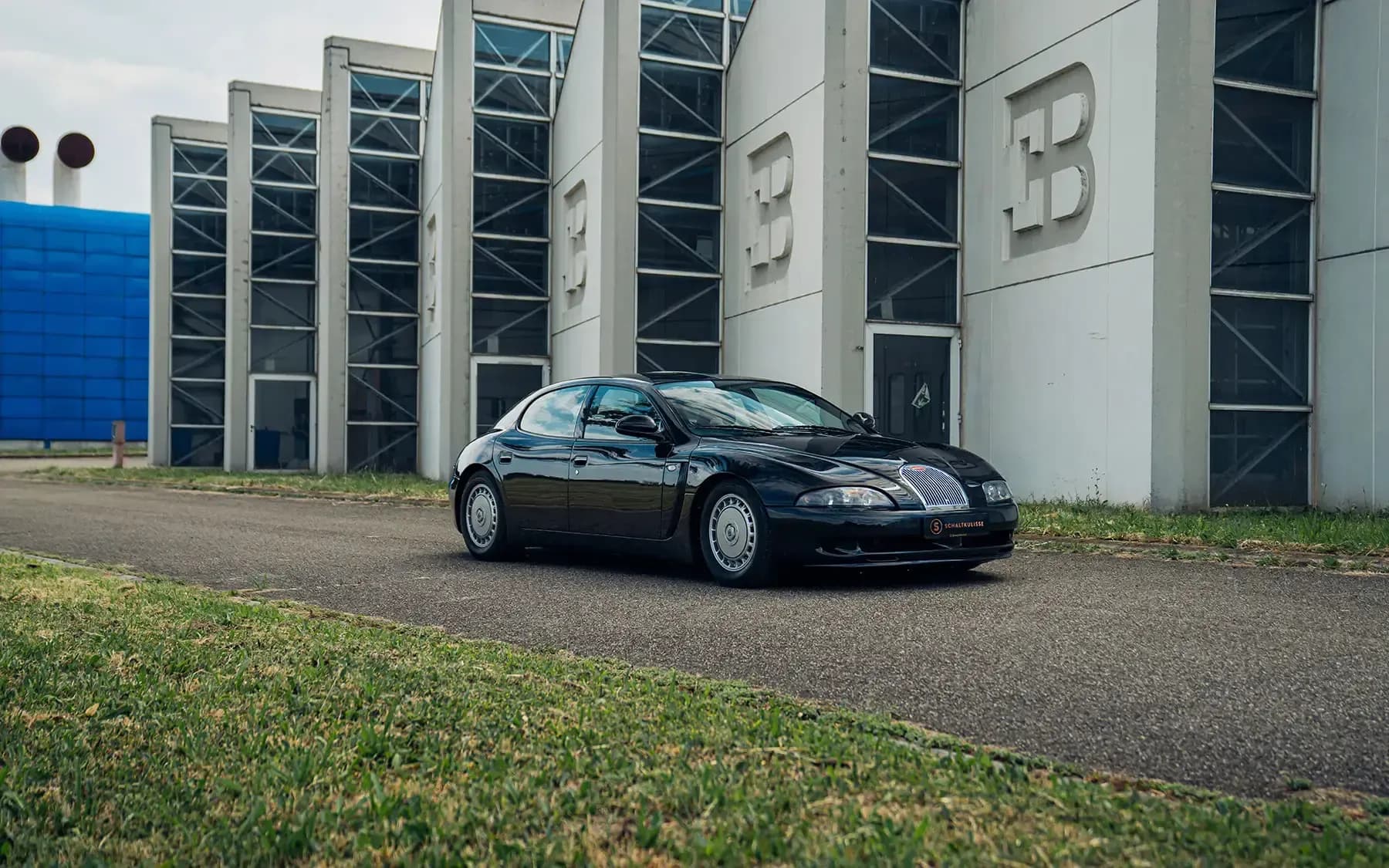
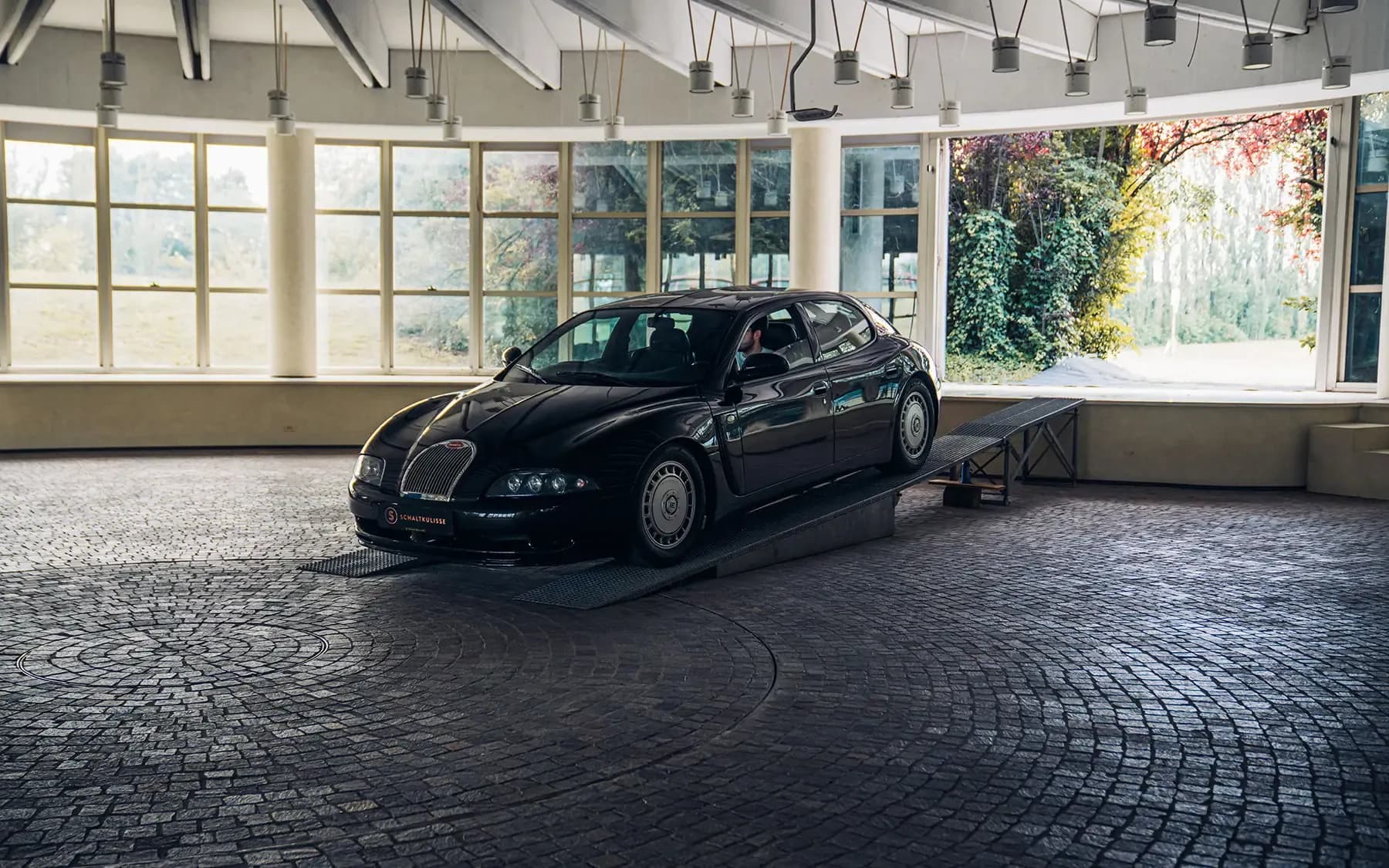
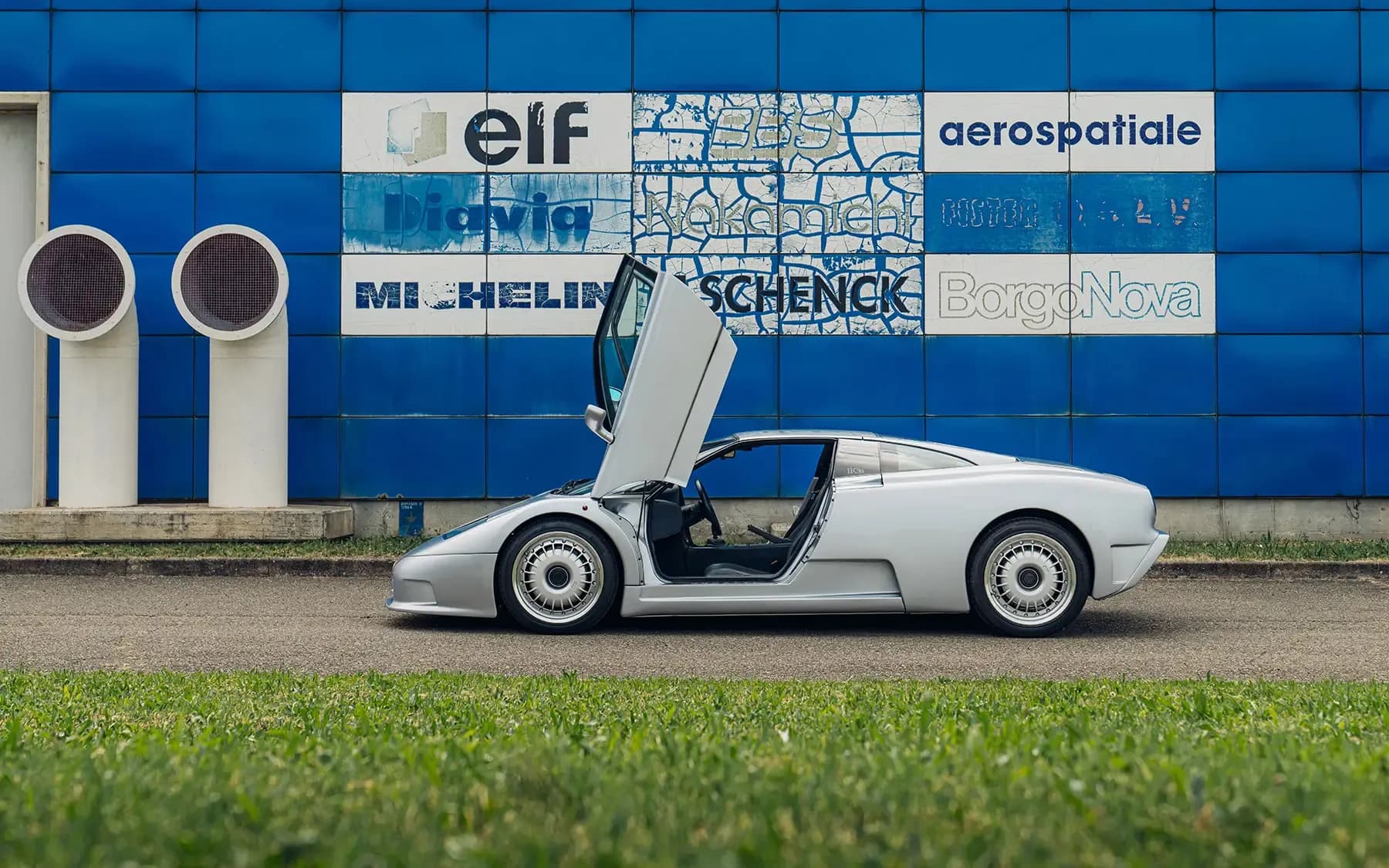
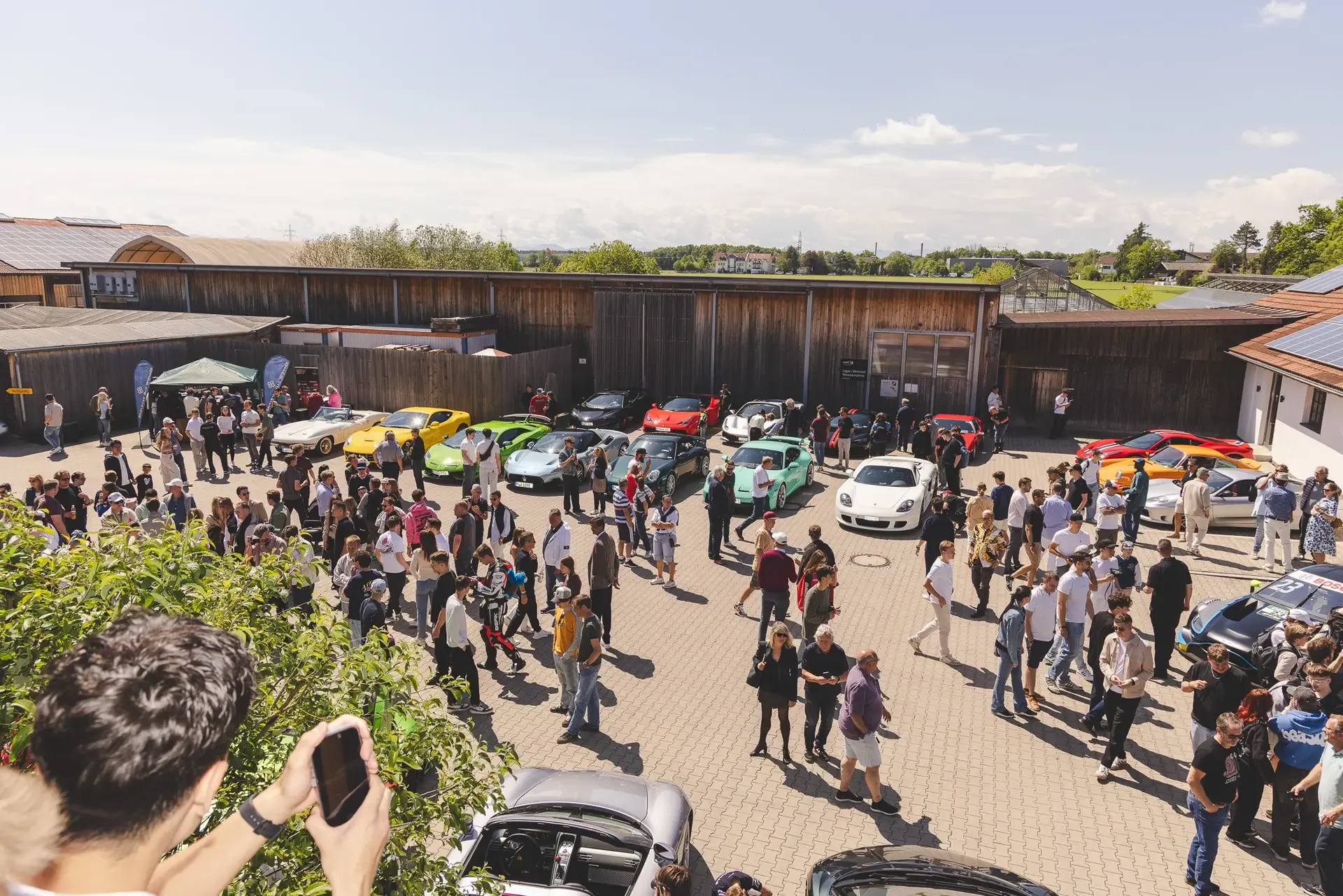
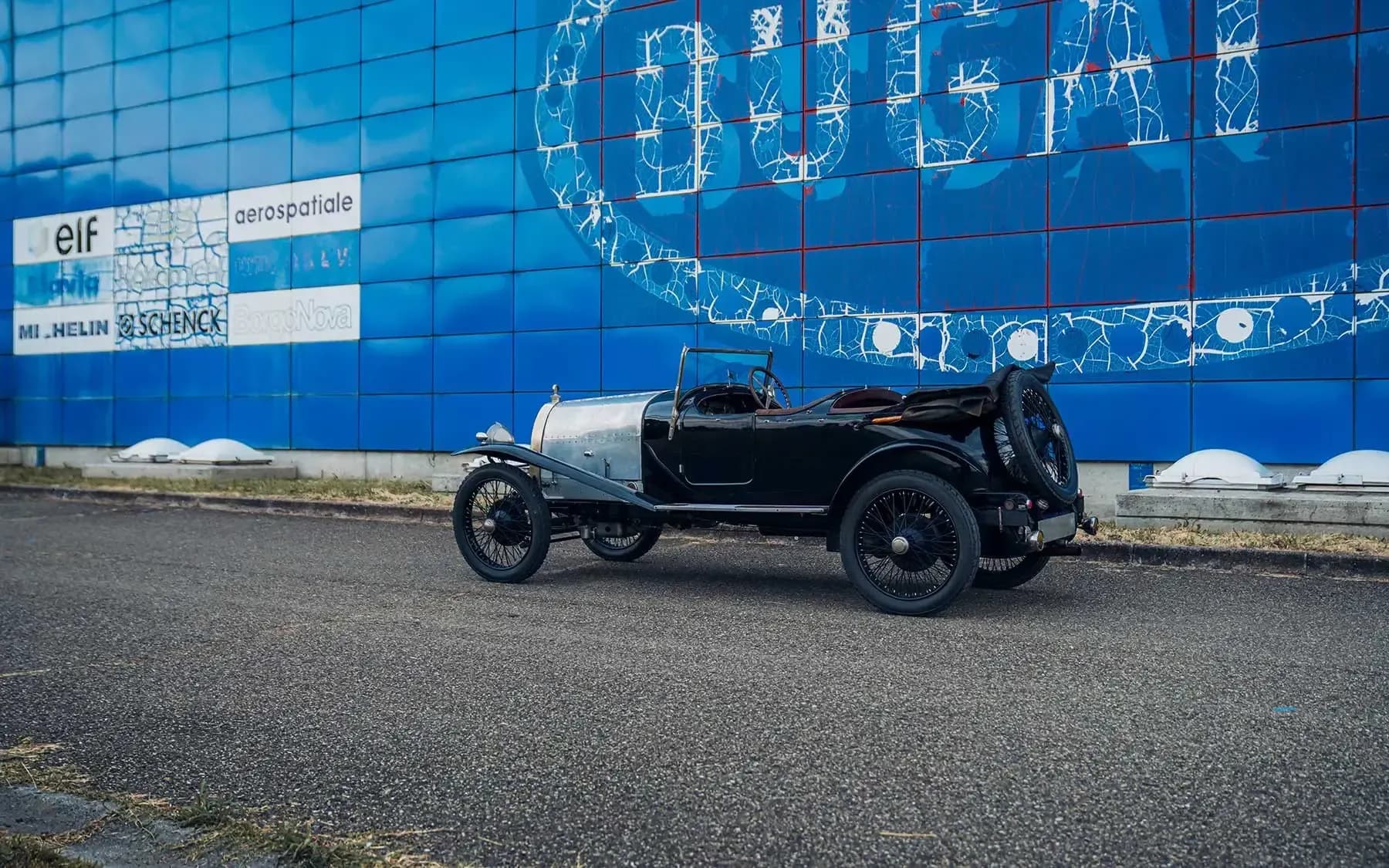
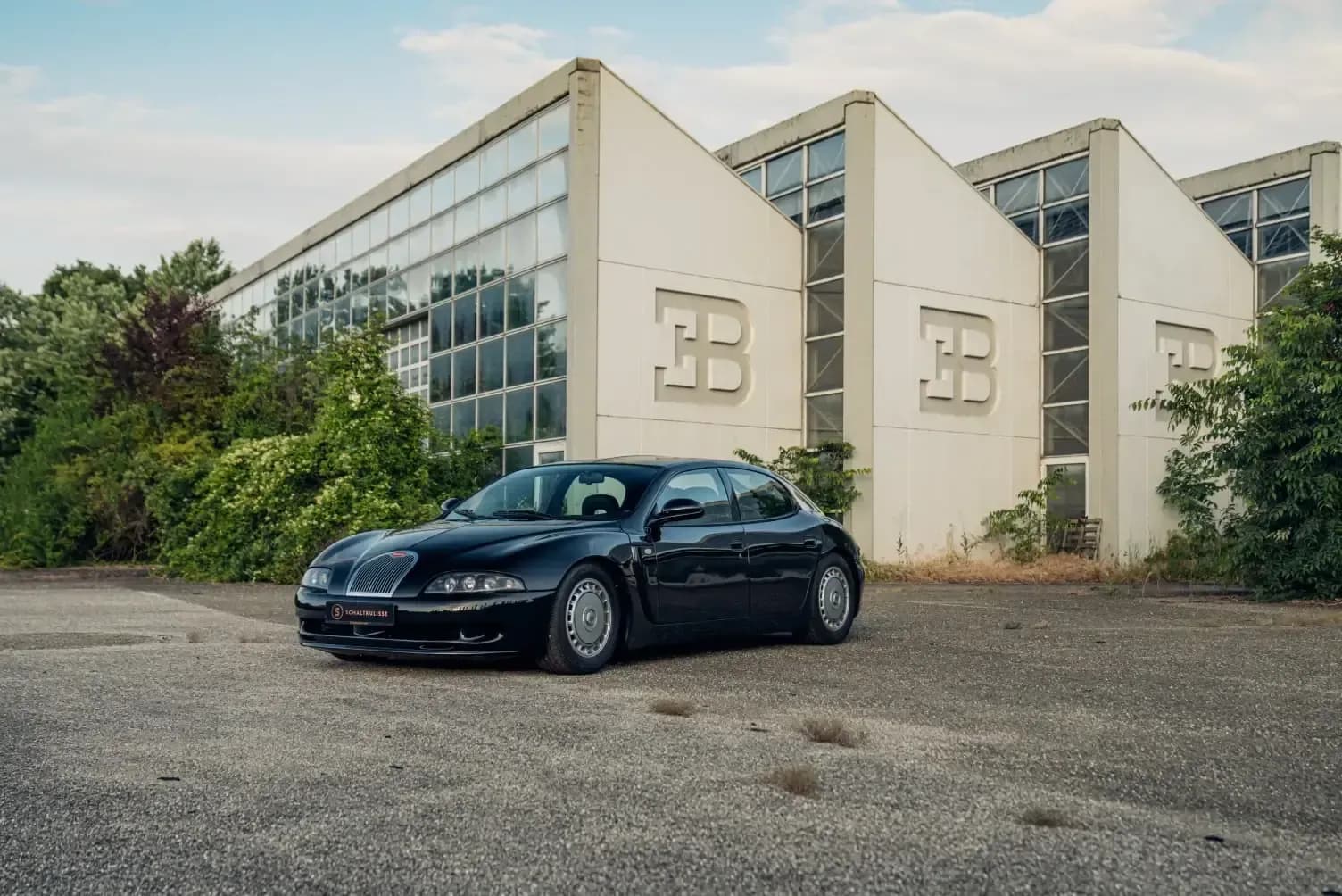
Visiting the place where the rebirth of Bugatti took place has always been on our to-do list. You can imagine that after acquiring a Bugatti EB112, it was a natural decision to take the car to the place it originated from. Armed with the naturally aspirated V12 sedan, an EB110 GT, a Chiron, and a Type 13 Brescia, we made our way to Italy, specifically to Campogalliano. Bugatti wasn’t always based in Molsheim. Here’s a history lesson.
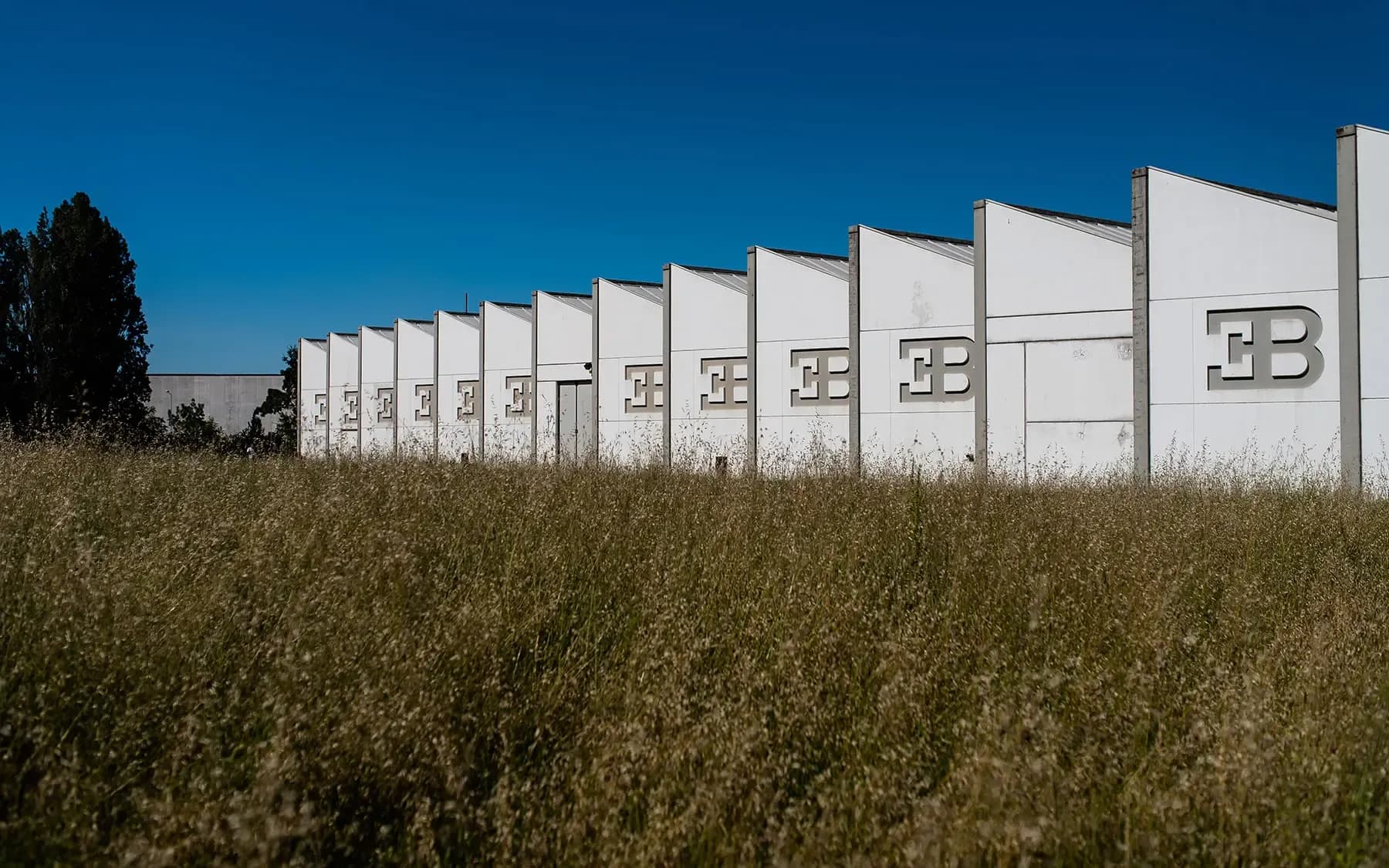
Bugatti was founded in 1909 by Ettore Bugatti, an Italian-born industrial engineer, in the then-German city of Molsheim. The brand built some of the most successful racecars, such as the Type 35, as well as sportscars and grand-touring vehicles. It was the brand of all superlatives, making the technically most advanced, fastest, and most expensive cars the world had ever seen. The brand didn’t only shine through its engineering prowess: the cars were works of art. Bugatti sadly had to go through financial difficulties, and the last car was produced in 1956, before the company went bankrupt. The brand remained in oblivion until a man with a vision worked towards reviving it. Romano Artioli, an Italian entrepreneur with a deep love of Bugatti, was encouraged by no less than Ferruccio Lamborghini to give the brand a second chance. The new factory was to be established in la Terra dei Motori as the Italians call it, the Motor Valley, a piece of land shared by the biggest sportscar manufacturers: Ferrari, Lamborghini, Maserati, and De Tomaso. The factory was designed by Giampaolo Benedini, with buildings for engineering, production, and even testing. It earned itself the name La Fabbrica Blu and was located on the motorway, in the city of Campogalliano. Bugatti Automobili S.p.A. had a run from 1987 until its bankruptcy in 1995. The reasons why the company didn’t survive are debatable, but everyone agrees on one thing: it marked the supercar world and delivered some of the best cars of the 90s. The stories of the men and women behind the rebirth of Bugatti are some of the most fascinating, and we were keen on discovering them.
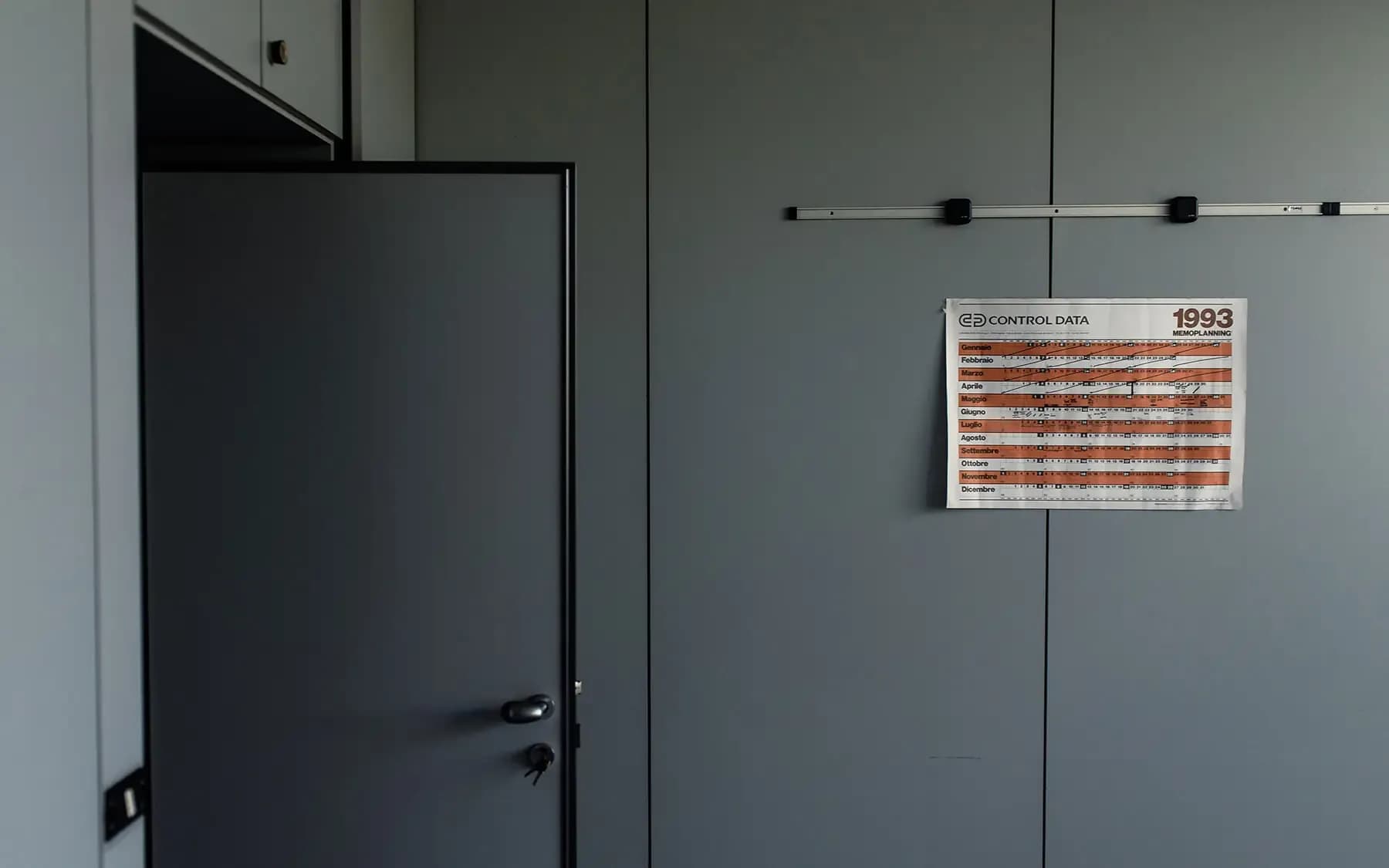
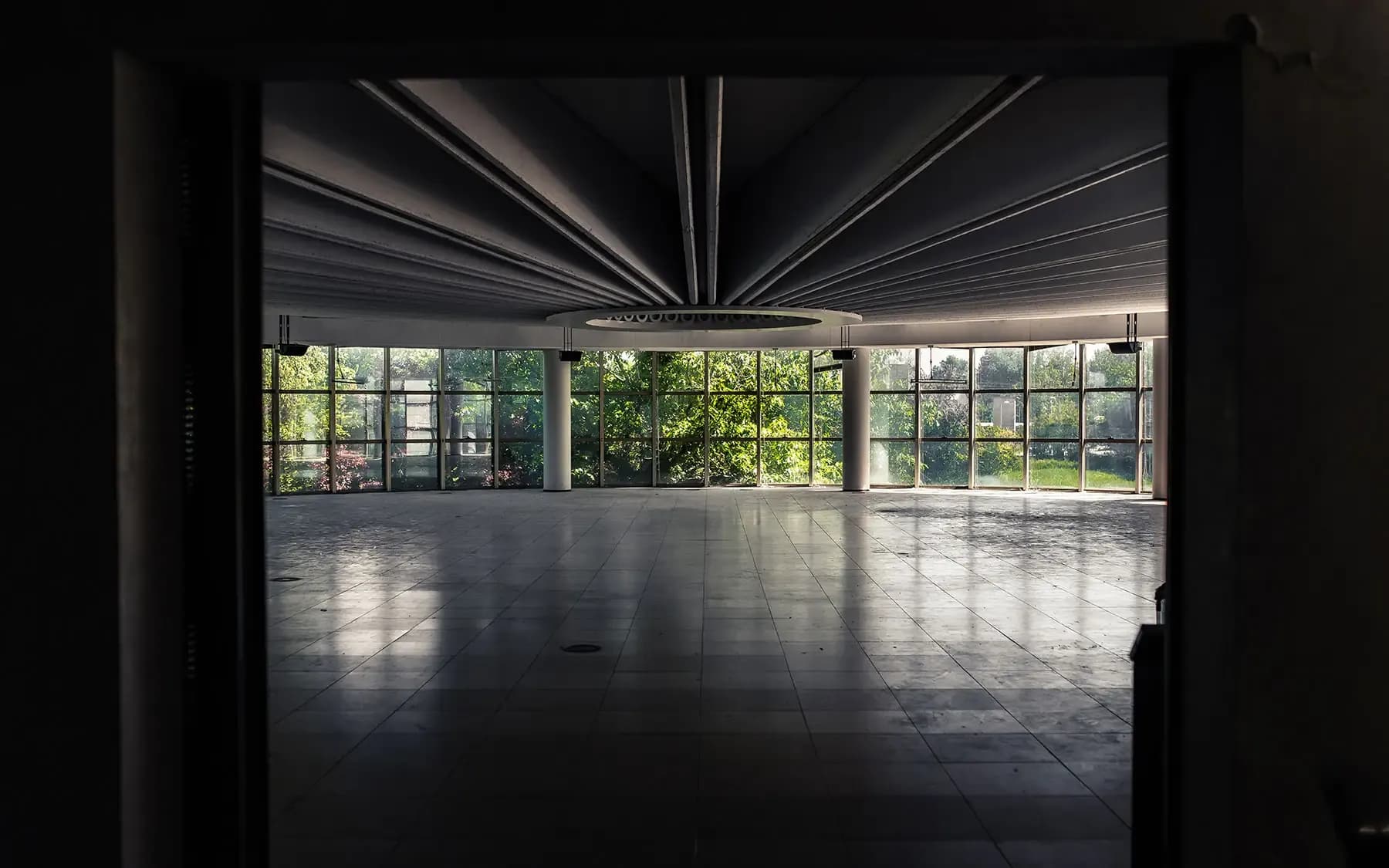
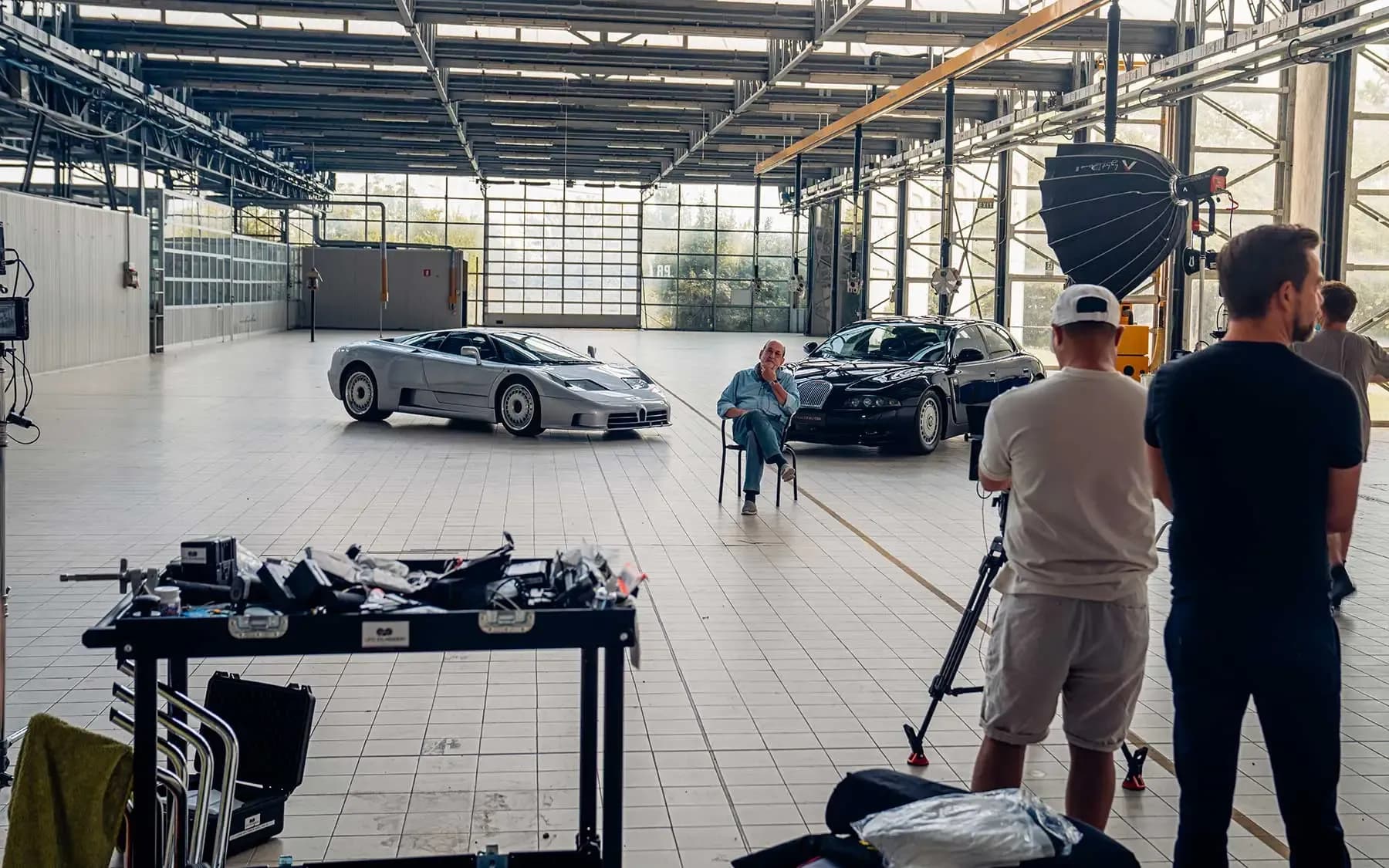
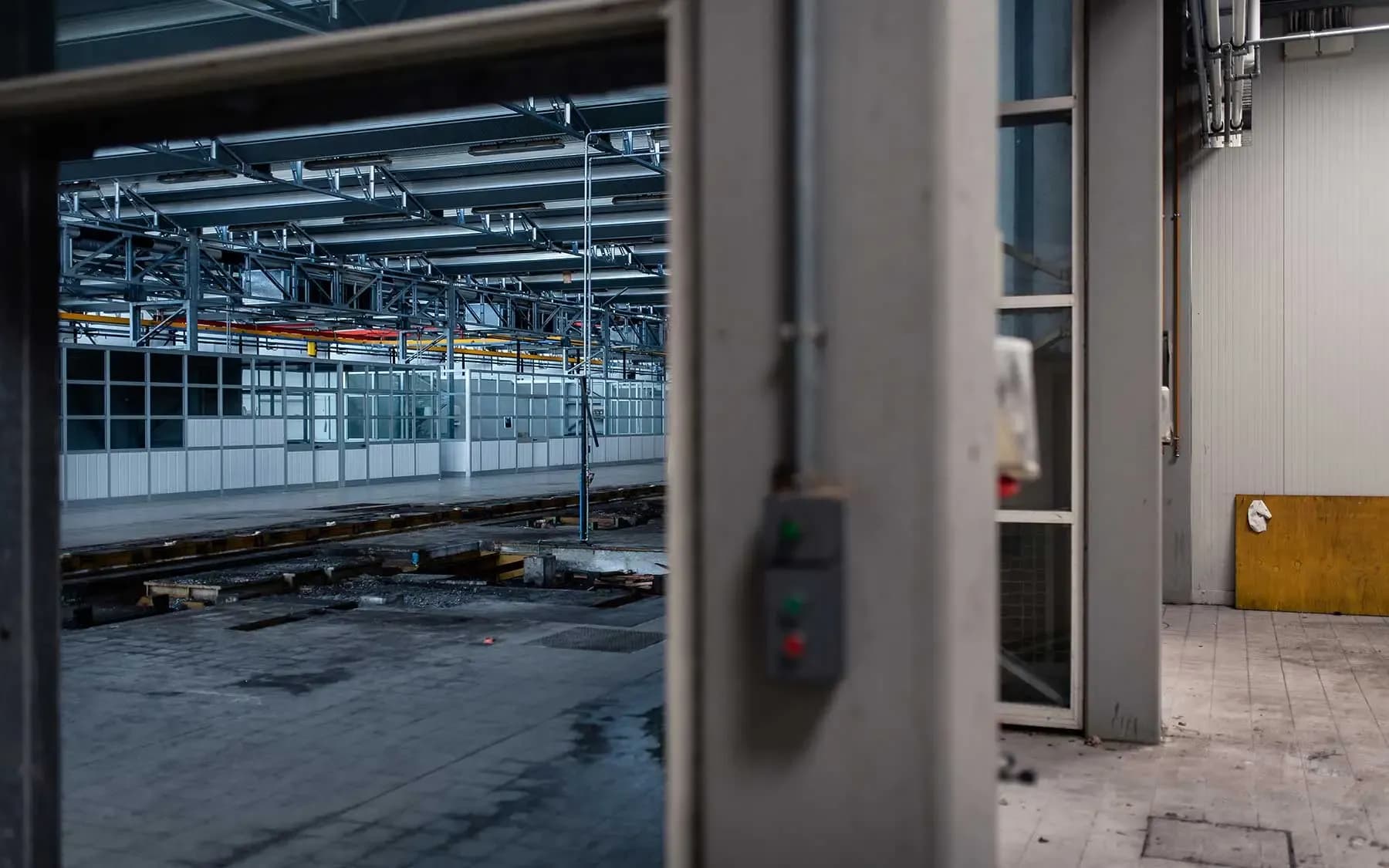
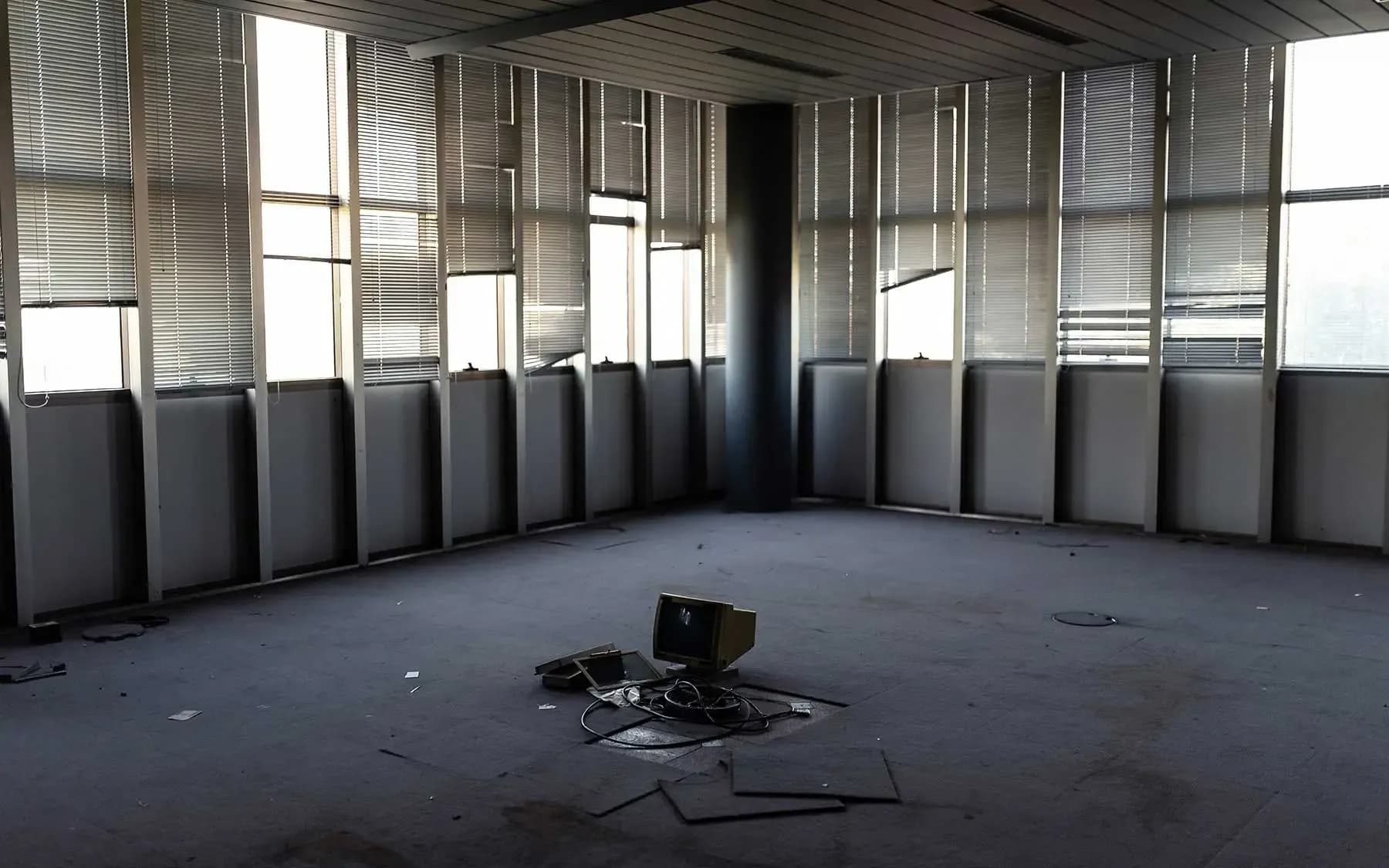
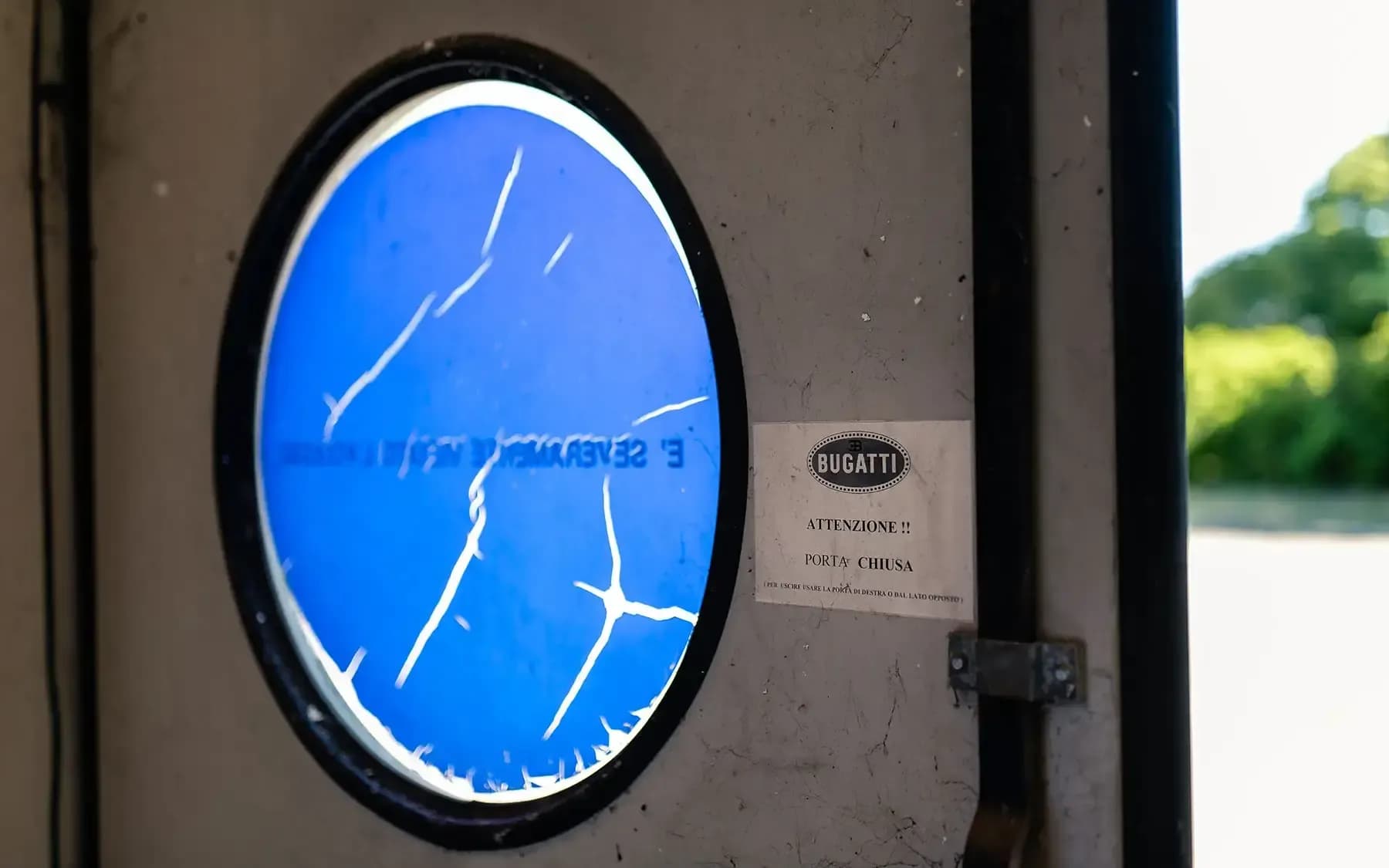
We arrive at Campogalliano and head directly to the factory. At the gates, we are greeted by Enrico Pavesi. Together with his father Ezio, they have been taking care of the “abandoned” factory for years. The gates open, and suddenly, goosebumps. Not a soul around, vegetation taking control of the buildings and blocking doors, buckets to collect the drops of water falling from the ceilings. What once was the home of some of Italy’s most talented engineers and designers was in a sorry state. Every element, every door, every wall had a story to tell. At the entrance of what once was the company’s restaurant, a wooden door from the original Bugatti factory in Molsheim. Upstairs, pictures of design studies and prototypes on the walls. In the office building, the reception with several phones, old computers and keyboards, and even a calendar from 1993. Time had stopped in Campogalliano. But more than the building or the cars, the reason we came here was the people. The legends behind the brand, and the people who saw it flourish into a very serious rival. We had the chance of meeting and interviewing some of the key protagonists: Giampaolo Benedini and Fernando Gabellini. Giampaolo Benedini was not only the architect of the iconic Bugatti buildings; he was also the father of the EB110’s design, one of the two car models built by the company. Fernando Gabellini was the chief electrical engineer and supervised the electronic side of the EB112 project. We also had the perspective of the competition: Valentino Balboni, legendary test driver of the rivals Lamborghini, paid us a visit at Campogalliano. He had a high opinion of Bugatti, and even pointed out their superiority compared to cars from Lamborghini of the time. We were accompanied by talented cameramen and a great film crew, and all of our visit, as well as the testimonies and interviews, can be found in our 30-minute documentary, Aceto Blu, on YouTube.


View all 20 imagesHide remaining 11